There Was a Time When a Wedding Meant a Singer
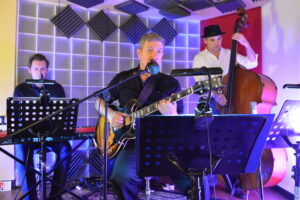
Live music for a wedding in Israel used to mean something specific. A real singer. Someone who stood up in front of the room and performed — songs from every decade that people actually knew and felt something about. The band played behind them, the music breathed, and the evening had shape. People danced when they wanted to dance. They sat and listened when they wanted to listen. They talked when they wanted to talk. Nobody had to shout.
A real one. Someone who stood up in front of the room and performed — songs from every decade that people actually knew and felt something about. The band played behind them, the music breathed, and the evening had shape. People danced when they wanted to dance. They sat and listened when they wanted to listen. They talked when they wanted to talk. Nobody had to shout.
Somewhere along the way that got replaced by four hours of non-stop beats and a DJ who hasn’t stopped since the hora. And somehow it became the default. Nobody questions it. It’s just what weddings are now.
Here’s What Actually Happens at Those Weddings
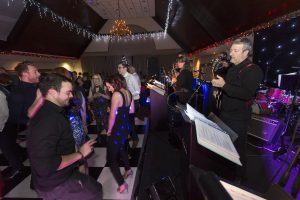
The dancing crowd loves the first hour. After that, half the room has quietly retreated. The older guests gave up on conversation an hour ago and are now just waiting for an appropriate moment to leave. The younger guests who don’t want to dance are standing awkwardly at the edge of the floor with nowhere to go. The people who actually wanted to spend the evening talking to relatives they haven’t seen in two years are doing it in the car park because it’s the only place quiet enough.
A Live Singer Changes All of That
Not because it’s quieter — a live band can fill a room — but because it gives the evening more than one gear. There are moments that breathe. A ballad that actually lands. A number that gets people who haven’t danced in fifteen years off their chairs without forcing anyone who doesn’t want to dance to feel like they’re in the wrong place. People who want to be entertained sit and listen. People who want to talk find that a live performance creates the right kind of background — present enough to feel, restrained enough not to obliterate every conversation in the room.
The Repertoire — Every Era, Every Style, Every Generation
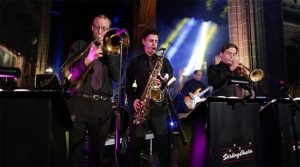
Think about what it means to have a real singer moving through the styles — big band, soul and Motown, rock and roll, classic pop ballads, blues, Israeli songs that everyone in the room grew up with, French chanson, acoustic singer-songwriter. From the 1940s to last decade. Every era, every style, something for every generation in the room. That’s not something a generic DJ set does — not for the table of sixty-year-olds, not for the grandparents, not for the guests who came to a wedding and not a nightclub.
What About the Breaks — and the Late Dancing?
The practical question usually comes up here: what about the breaks, and what about later in the evening when people do want to dance? The answer is simple — it’s all taken care of. Between sets, curated background music keeps the atmosphere going. Afterward, a DJ playlist can take over for the late dancing if that’s what you want. The live performance and the DJ aren’t an either-or choice. The difference is that the evening starts with something real, something with shape and intention, instead of handing the whole night to a format with one setting.
And About That Cost
A DJ for a full wedding evening — proper sound, lighting, the works — probably costs more than a live five or six-piece band. The assumption that live music is automatically the expensive option is one of those things that gets repeated so often it’s stopped being questioned. It’s worth questioning.
Your guests will thank you. Your grandmother definitely will.
If you’re planning a wedding in Israel and want live music that actually gives the evening shape — from the first guests arriving to the last song of the night — get in touch here. Live music for a wedding in Israel doesn’t have to mean a generic band playing the same four hours everyone else plays. It can mean something people remember.