Where Most People Start — and Why It’s the Wrong Place
Planning live music for your event in Israel usually starts with the same question: how much does it cost? That’s understandable, but it’s the wrong starting point. The more useful questions are what the music needs to do, when it needs to do it, and what kind of room it’s going into. Get those right and the budget question becomes much easier to answer.
I’ve performed at corporate events, private parties, weddings and cultural evenings across Israel, and the events that work best are almost always the ones where someone thought carefully about the music’s role — not just its price.
What Do You Actually Need the Music to Do?
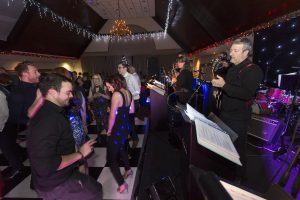
Live music for an event does different things at different moments. Background music during a reception creates atmosphere without demanding attention. A short performance set during dinner gives guests something to watch and listen to. A more energetic set later in the evening shifts the mood and gets people on their feet. These are three completely different briefs, and they don’t all require the same solution.
Before you book anyone, decide what role the music plays at each stage of your event. A musician or ensemble that’s right for one moment might be wrong for another.
Ensemble Size and What It Means for Your Room
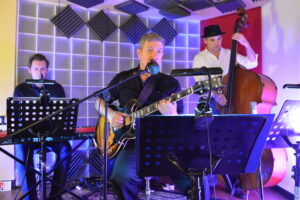
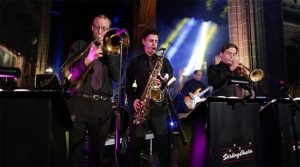
Bigger is not always better. For an intimate corporate dinner of 50–80 people, a duo or trio is almost always the right call — present enough to be felt, restrained enough not to overpower conversation. For a larger venue or a more celebratory occasion, a quartet or bigger ensemble gives more energy and fills the space properly.
In Israel, many venues have specific PA and staging setups that affect what’s practical. It’s worth having that conversation with your musician before you confirm anything — a good performer will ask about the room before agreeing to a configuration.
Repertoire: Match It to the Crowd
The repertoire needs to match your audience, not just your taste. For a corporate event in Israel with a mixed international crowd, a blend of well-known English classics alongside a few Israeli standards almost always lands well. For a private family celebration, the mix might lean more Hebrew. For a cultural evening, something more curated and thematic works better than a greatest hits approach.
A performer worth hiring will ask about your guest profile before suggesting a set. If they don’t ask, that’s worth noting.
Things Worth Asking Before You Book
When you’re planning live music for your event in Israel, a few practical questions make a real difference: Does the performer bring their own PA and equipment, or do they need the venue to provide it? What’s the setup time, and does it affect your venue access? Are they comfortable performing in Hebrew as well as English? Do they have references or videos from similar events?
These aren’t difficult questions, but they prevent the kind of surprises that tend to surface on the day.
If you’re in the early stages of planning live music for your event in Israel and want to talk through what would work best for your occasion, get in touch here.